
Hanamaki Onsenkyo Hot Springs: Water & Baths
Yumoto is a convenient first stop for Hanamaki Onsenkyo’s hot springs, with several resort hotels close together. The other hot-spring villages lie farther apart, often a road journey from one another.
Spring character
Traditional inns, toji lodgings for longer bathing stays and modern resorts stand in the western Dai and Toyosawa river valleys. Hanamaki Onsenkyo has a long bathing history and several kinds of spring water. Simple springs are common here; other sources contain sulfur, sulfate or chloride.
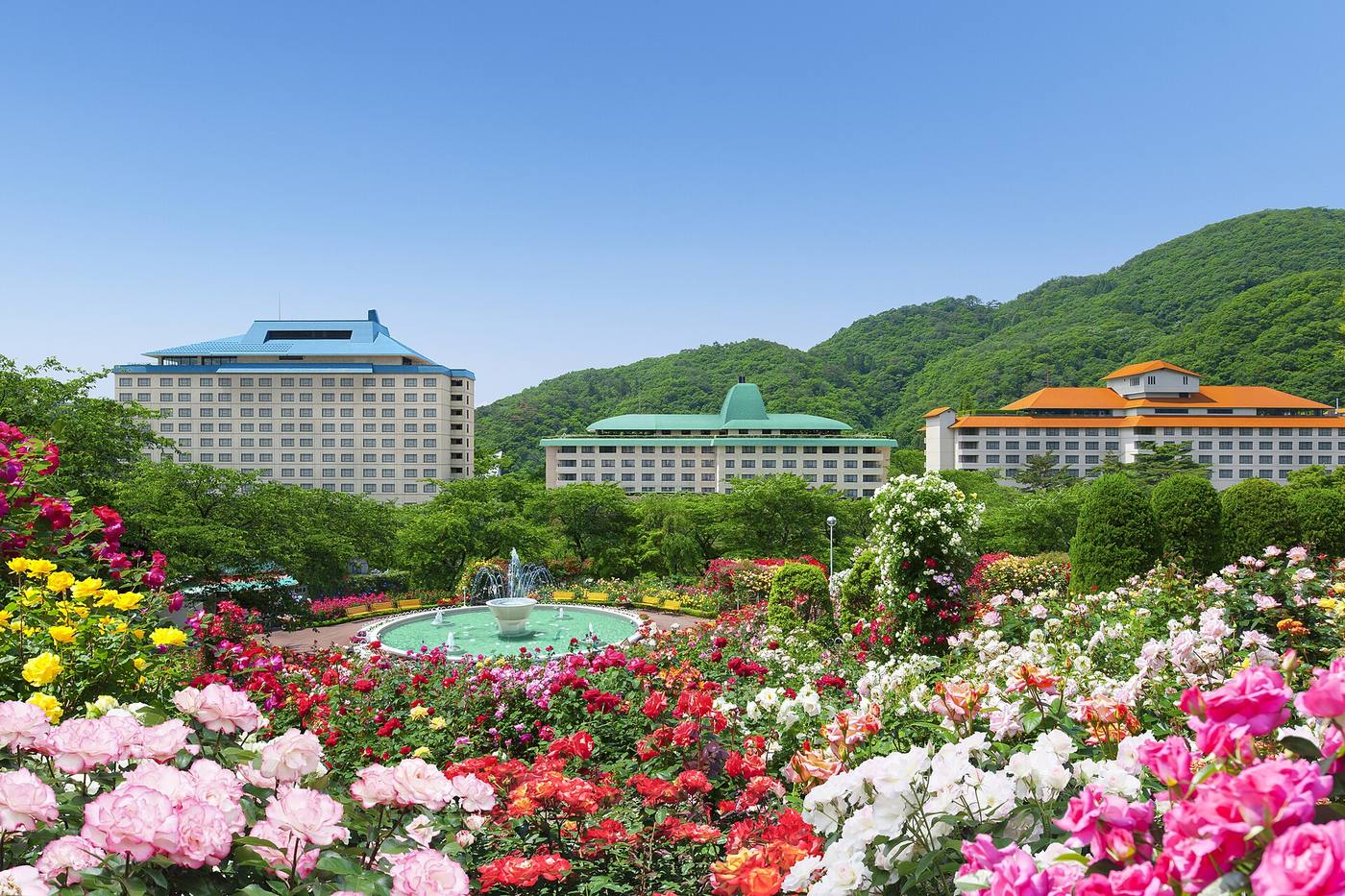
At Namari, you stand in a natural-rock pool. Osawa’s outdoor pool sits beside the Toyosawa River. In Yumoto, modern hotels surround the resort gardens. In Dai, traditional inns line the village streets. The district is varied: the water, buildings and baths differ from one village to the next.
Villages, hotels and springs
The village names below identify hot-spring areas. Each area has individual hotels or bathhouses, and each property uses one or more springs. The hotels in one village can have different water. At Yumoto, Hotel Hanamaki, Koyokan and Senshukaku share a supply; Kashoen uses its own spring. Dai’s inns stand close together, and you can visit several of their free-flowing baths. Their springs differ from inn to inn. The water shared by Yumoto’s three large hotels is clear, tasteless and odorless.
| Village / area | Hotel or bathhouse | Bath setting |
|---|---|---|
| Yumoto | Hotel Hanamaki, Koyokan and Senshukaku; Kashoen | Public baths divided by sex; cypress outdoor bath at Kashoen |
| Dai | Nakashima Ryokan; Yamayuri no Yado | Underground rock-carved baths at Nakashima |
| Matsukura | Kaze no Toki | Indoor and cypress outdoor baths divided by sex |
| Kanaya | Hotel Ginga Park Hanamaki | Rock outdoor baths divided by sex |
| Shidotaira | Hotel Shidotaira; Yusen Shidate | Hiba-wood, pottery and private baths; men and women use the public baths at different times |
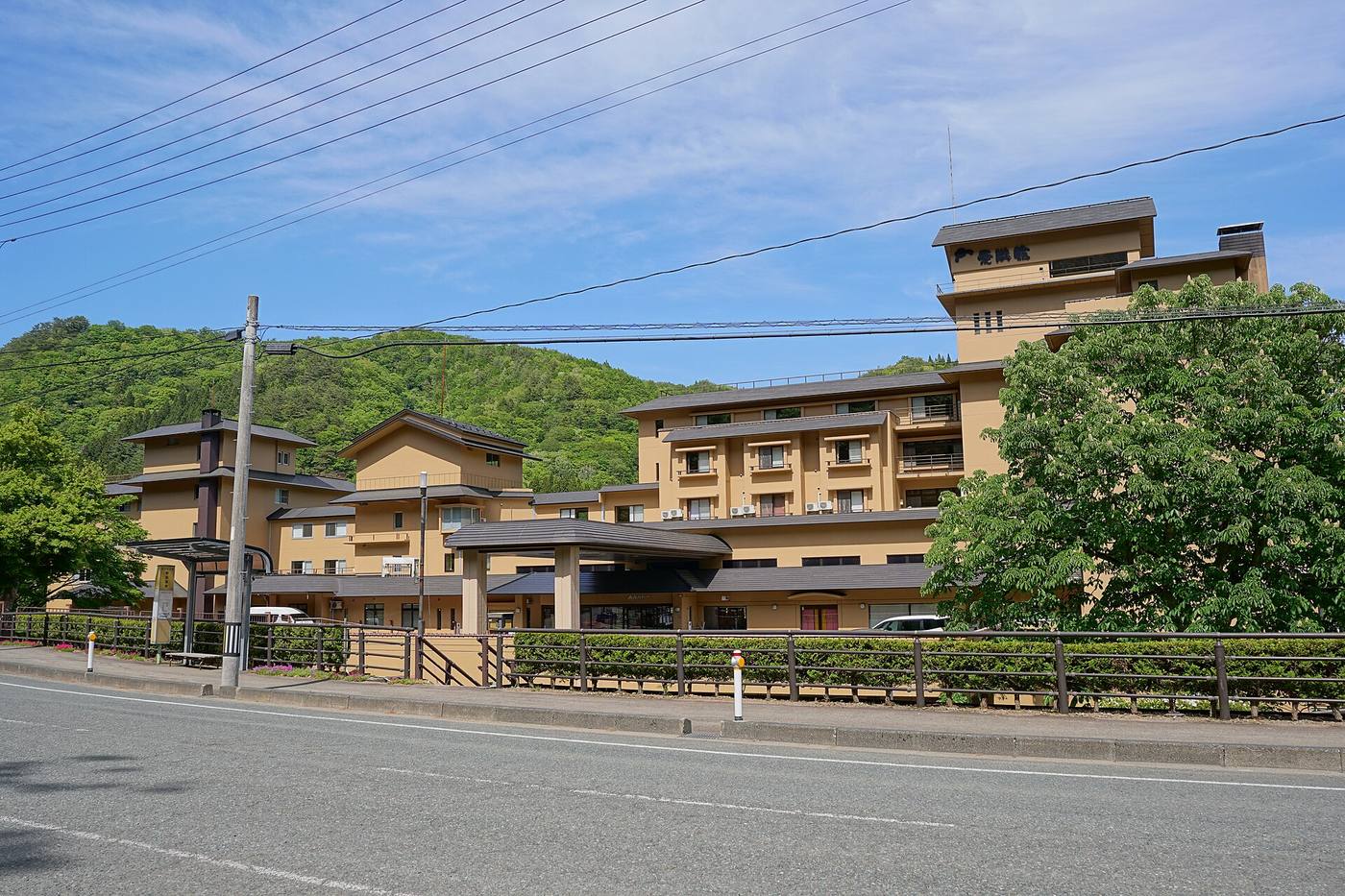
| Osawa | Tojiya; Sansuikaku | Indoor baths divided by sex and riverside outdoor pools |
| Yamanokami | Yukaen; Nagomi no Yu | Large indoor and outdoor bathing areas |
| Namari | Fujisan Ryokan | Katsura’s outdoor bath beside the river |
| Shin-Namari | Airinkan | Stream and forest views from the baths |
| Hanamaki North | Kenkokan — closed long term | Walking and shallow reclining baths; currently closed |
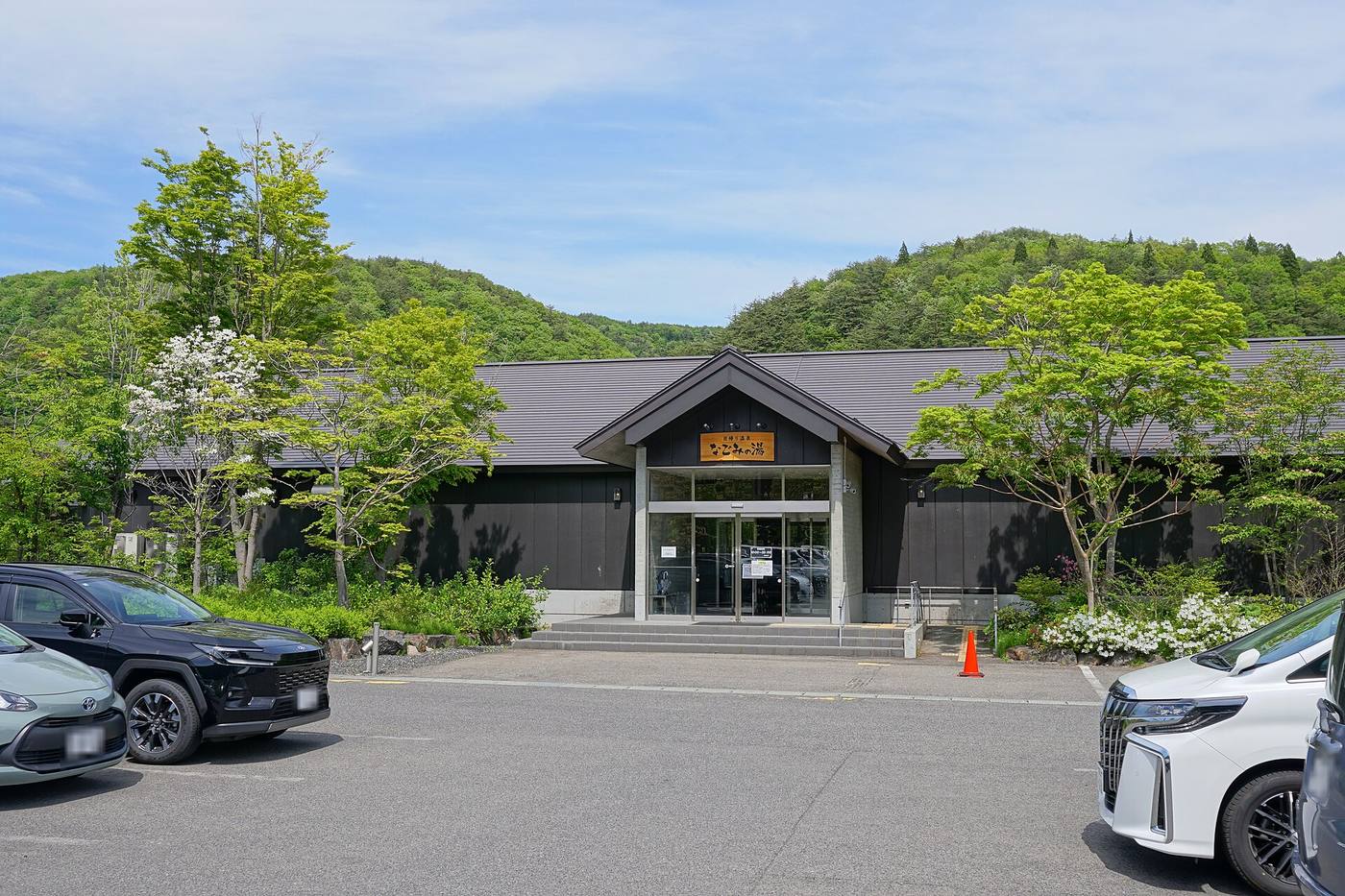
| Towa | Towa Onsen | Indoor, outdoor and carbonated baths |
| Watari | Premium Iwate Hanamaki | Indoor and outdoor areas divided by sex |
Spring types and source values
A higher pH means more alkaline water. Mineral concentration is a different measurement. The temperatures below are source temperatures: the water’s heat as it emerges from the ground. They are not the temperatures of the pools where you bathe. At Hotel Shidotaira, Kiku, Matsu and Take are the names of three springs.
| Village / area | Property / spring | Water type | Source temperature / pH |
|---|---|---|---|
| Yumoto | Hanamaki, Koyokan and Senshukaku: shared supply | Simple | 61.6°C / 7.7 |
| Yumoto | Kashoen: Daigawa spring | Sodium sulfate–chloride | 59.8°C / 8.9 |
| Dai | Yamayuri no Yado | Simple sulfur; other inns have different springs | 96°C / 8.2 |
| Matsukura | Kaze no Toki | Alkaline simple | — / — |
| Kanaya | Hotel Ginga Park Hanamaki | Alkaline simple | — / 9.0 |
| Shidotaira | Hotel Shidotaira: Kiku | Sodium sulfate–chloride | 72.7°C / 7.9 |
| Shidotaira | Hotel Shidotaira: Matsu | Sodium sulfate–chloride | 62.6°C / 8.3 |
| Shidotaira | Hotel Shidotaira: Take | Simple | 78.6°C / 8.2 |
| Osawa | Osawa Onsen | Alkaline simple | 51.3°C / 9.0 |
| Yamanokami | Yukaen: Fukuno-yu | Alkaline simple | 42.3°C / 9.3 |
| Namari | Fujisan Ryokan | Simple / alkaline simple | 57°C / 8.0–8.5 |
| Shin-Namari | Airinkan: First Golden spring | Sodium-calcium sulfate | 47.8°C / 8.6 |
| Shin-Namari | Airinkan: second/third-source mixture | Sodium-calcium sulfate | 68.6°C / 7.5 |
| Hanamaki North | Kenkokan — closed long term | Alkaline simple | — / 9.1 |
| Towa | Towa Onsen | Simple | — / 8.1 |
| Watari | Premium Iwate Hanamaki | Simple | — / 8.3 |
Standing, river and garden baths
At Namari’s White Ape Bath, you bathe standing in hand-carved natural rock. The pool averages 1.25 meters deep and has mixed and women-only sessions. Downriver at Osawa, you can watch the Toyosawa River from the mixed outdoor pool. Women also have a river-edge bath of their own. At Matsukura, you can hear the river from the baths.
The water at Yamanokami feels thick and lotion-like. At Shin-Namari, Airinkan has 17 baths in three large bathing areas. Men and women use each area at different times. At Kanaya, the hotel draws spring water from 1,300 meters underground. Kanaya has a large indoor bath and an outdoor pool surrounded by nature. Towa has a Western-style model garden on its bathing grounds.
Day-bath admission
Adults pay the following fees for a day bath. At Yumoto, you pay for one hotel and use its baths during day-bathing hours. The hotels have breaks for cleaning.
| Bath / hotel area | Visit day | Adult admission |
|---|---|---|
| Osawa | Regular admission | ¥700 (about US$4.50) |
| Namari | Regular admission; higher fees on special dates | From ¥800 (about US$5.10) |
| Yumoto’s three large hotels | Weekdays | ¥1,200 (about US$7.60) |
| Yumoto’s three large hotels | Weekends, public holidays and special days | ¥1,500 (about US$9.50) |
You can also visit baths for the day at Dai, Matsukura, Kanaya, Shidotaira, Shin-Namari and Towa. At Yamanokami, day visitors bathe at Nagomi no Yu. Matsukura is closed to day visitors on Wednesdays and Thursdays. Towa’s outdoor bath closes from November through April. Kashoen admits overnight guests.
At Dai, Seika no Yu opens year-round from 06:00 to 22:00, with last admission at 21:30. Adults pay ¥480 (about US$3.10) and elementary-school children pay ¥250 (about US$1.60).
Staying in the onsen villages
You can walk to the Rose Garden, shrine and Kamabuchi Falls from Yumoto’s hotels. At Koyokan, the open-air area pairs a rock pool with pot baths and a terrace for cooling off. Hotel Shidotaira has a 25-meter indoor bath overlooking the stream. Hotel Shidotaira also has a cave-style sauna. At the same onsen, Yusen Shidate has an open-air hot-spring tub in every room. Yusen Shidate welcomes guests aged 12 and over.
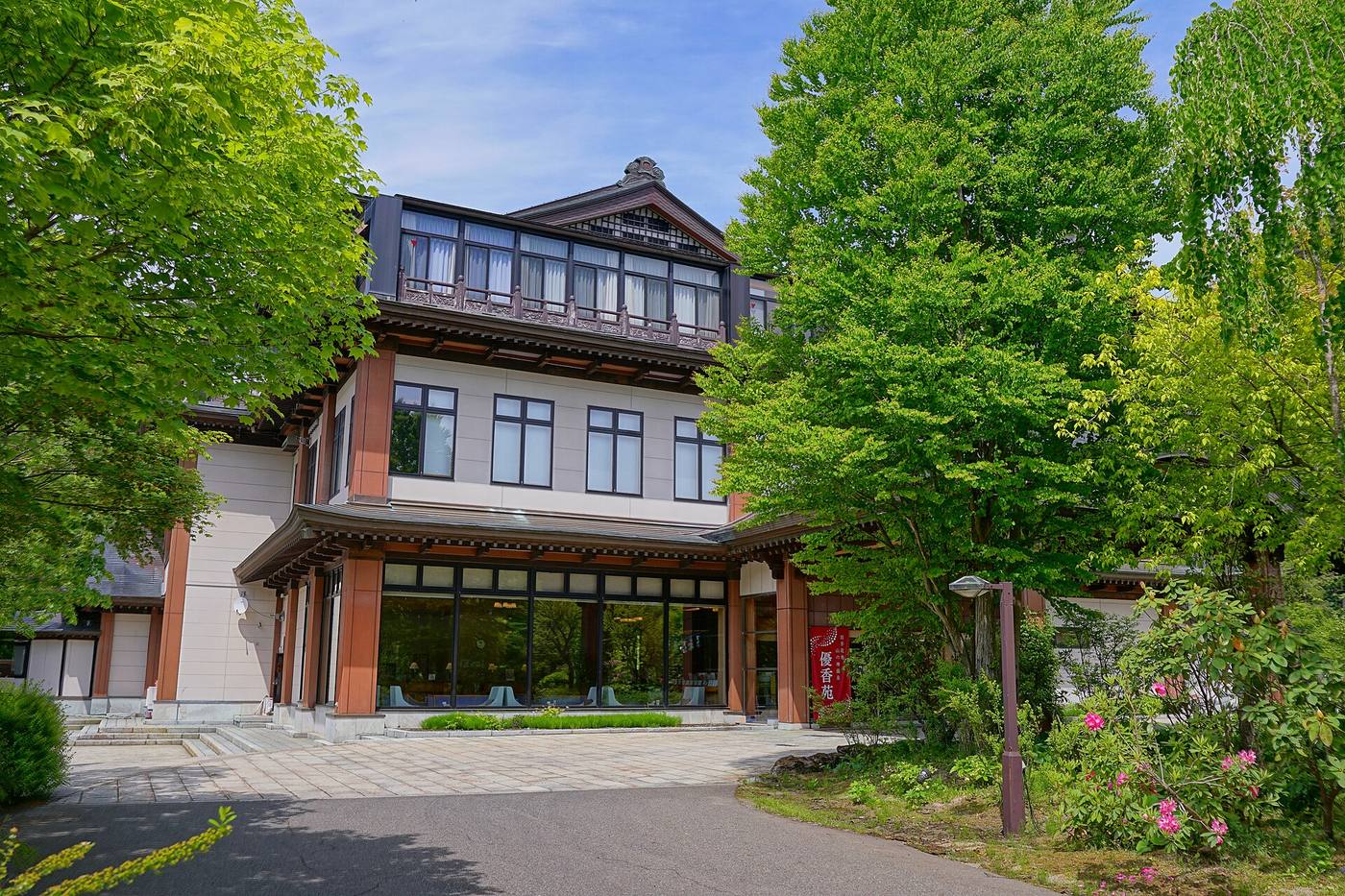
At Yukaen in Yamanokami, the traditional rooms have crafted screens, transoms and coffered ceilings. Yukaen serves kaiseki-style meals. Overnight guests at Fujisan Ryokan can use Namari’s early bathing sessions. Fujisan Ryokan has a lower room rate and Agoda score than the leading resorts. At Premium Iwate Hanamaki, the outdoor baths overlook the Toyosawa River and face the mountains.
At Hanamaki Station’s public-bus stops, buses from stop 4 go to Yumoto. The Yuguchi Line leaves stop 3 for Shidotaira, Osawa and Namari. Overnight guests can take hotel shuttles with an advance reservation.
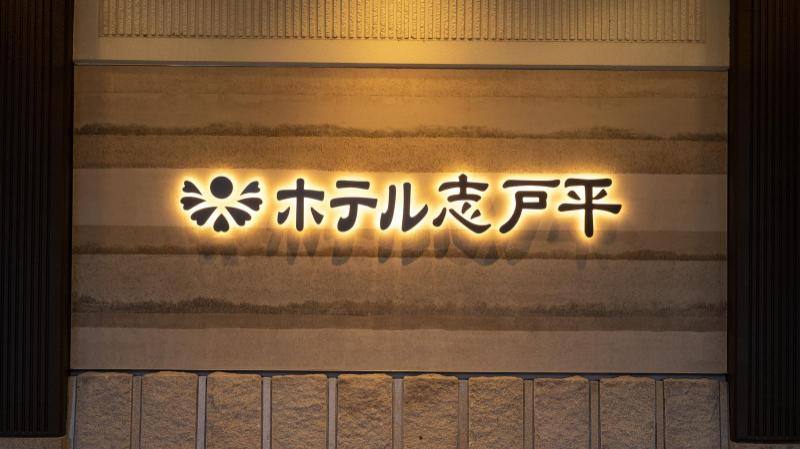
Hotel Shidotaira
A 25-meter bath overlooks the stream at this riverside resort.
8.7 · 271 Agoda reviews
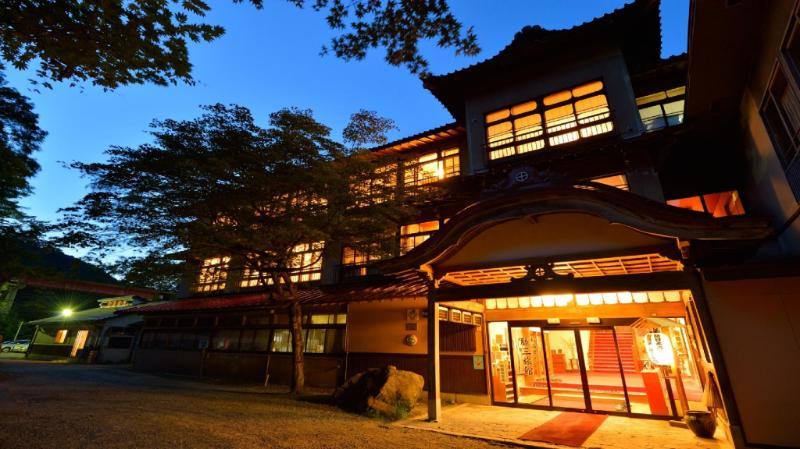
Namari Onsen Fujisan Ryokan
Stand in Namari’s deep bath, carved by hand from natural rock.
7.4 · 157 Agoda reviews
Reviewed: