
Things to Do in Morioka from Hanamaki Onsen
Spend a day walking central Morioka, from the castle grounds to museums, old banks and noodle shops. From Hanamaki Onsen, you need a bus to the railway station before taking the train north.
Getting to Morioka
From Yumoto, take the Hanamaki Onsen Line bus to Hanamaki Station. At Hanamaki Station, board a northbound Tohoku Main Line train for Morioka.
| Leg | Ride time and fare |
|---|---|
| Yumoto → Hanamaki Station | About 20 minutes by bus. Adult fare ¥510 (about US$3.20) each way. |
| Hanamaki → Morioka | Around 39–42 minutes by train. Buy the rail ticket separately. |
From Morioka Station, walk about 15 minutes to Castle Ruins Park. Dendenmushi buses also stop at Castle Park. Morioka Bus Center is closer to the Red Brick Building and Youth Museum than the railway station.
Castle Ruins Park
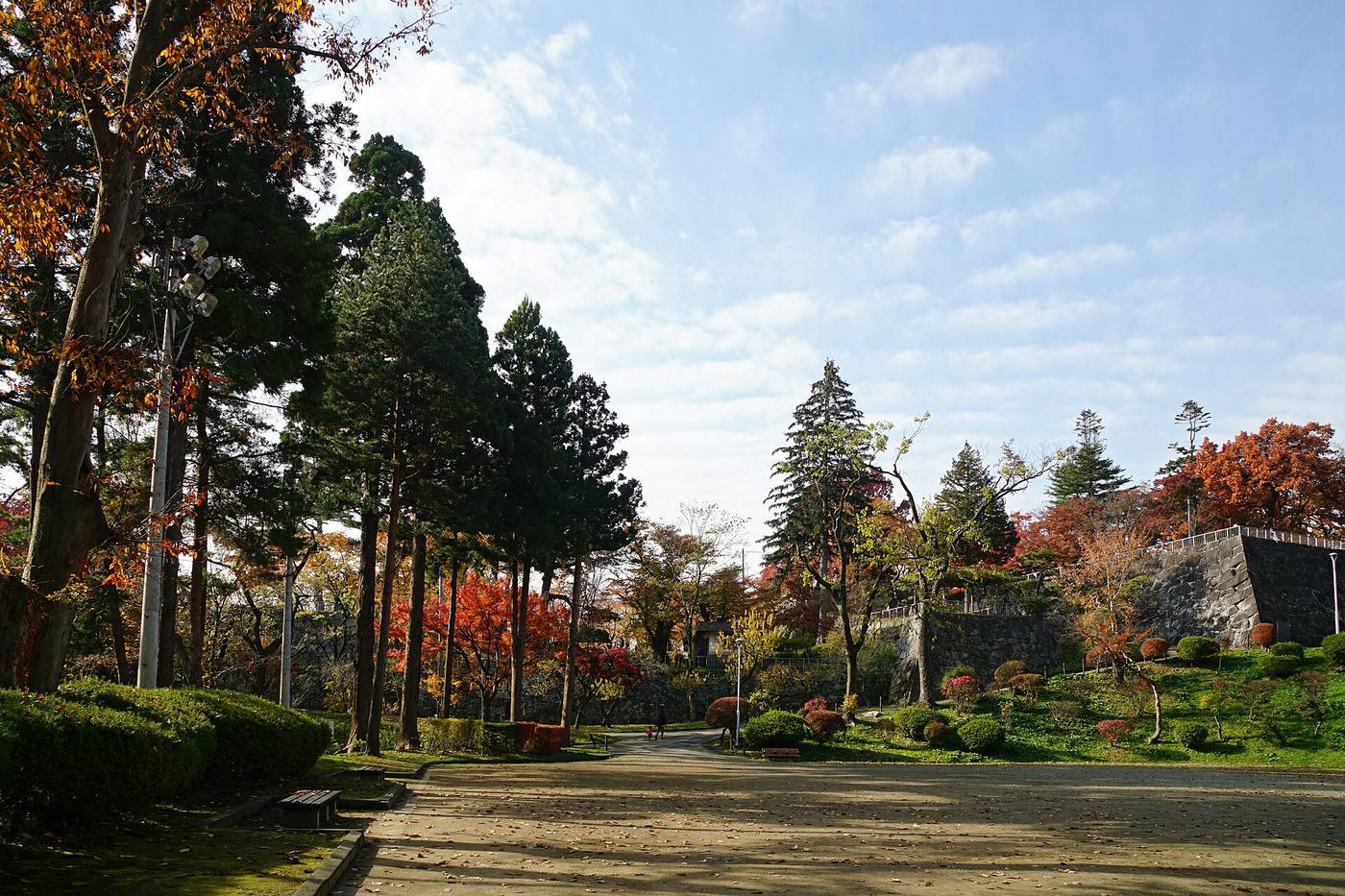
Morioka’s great retaining walls were built with granite quarried within the castle grounds and nearby districts. As you climb the terraces toward the former Honmaru and Ninomaru, you pass several kinds of masonry. The walls include rough natural stones, irregular split blocks and neatly squared courses. Below the terraces, Tsuru and Kame ponds occupy the old inner moat. Water flows into the ponds from the Nakatsu River. Hikookura is a surviving two-story storehouse with a timber frame, earthen walls, plastered exterior and tiled roof. You can also see a clock bell and a Takuboku poem stone in the grounds.
About 250 cherry trees flower during April, including Somei Yoshino, Edo-higan and mountain cherry. Autumn leaves usually turn around late October. Nearby, Ishiwari-zakura grows from a cleft in granite inside Morioka District Court’s grounds. This Edo-higan cherry is a national natural monument. Pets must stay outside the court grounds.
History and literature museums
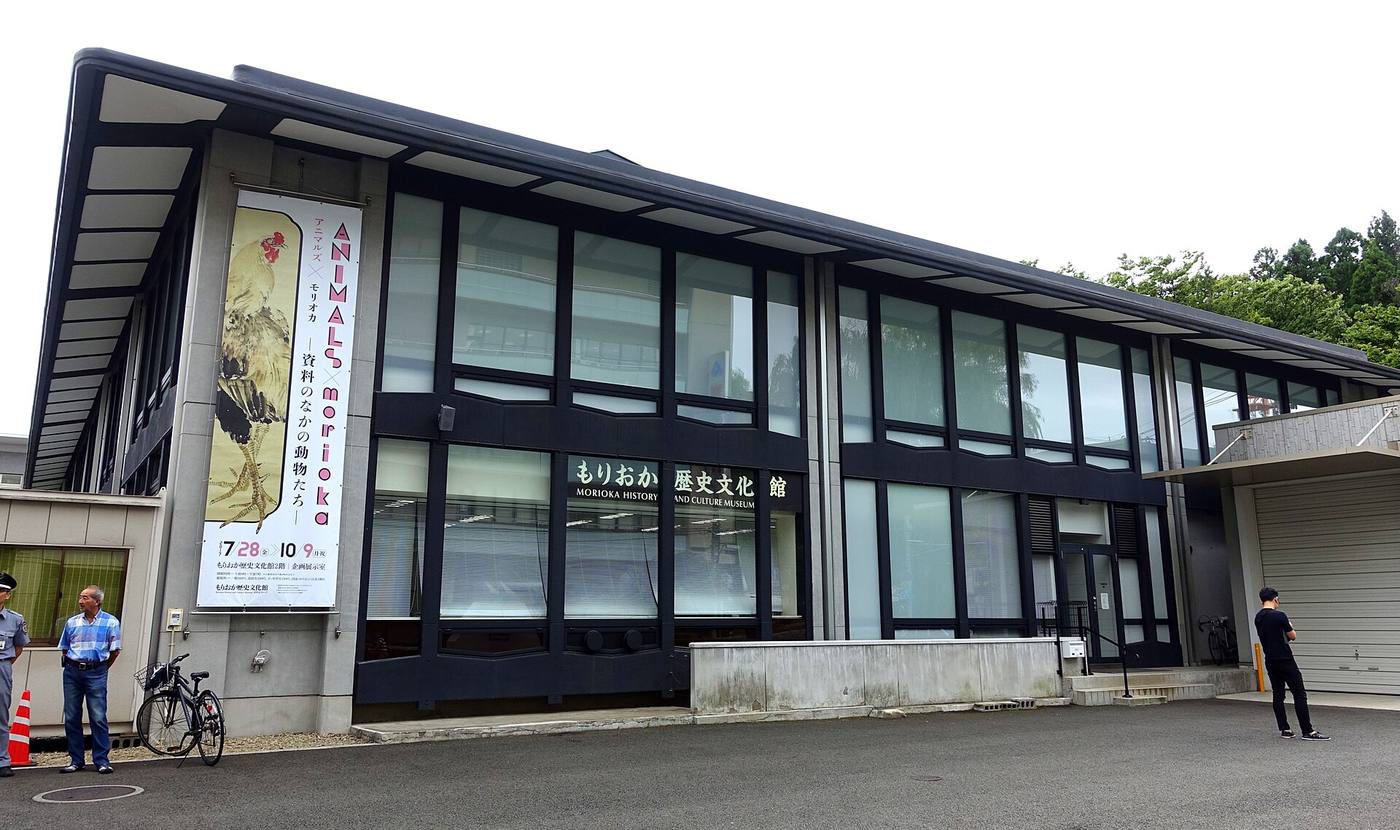
Morioka History and Culture Museum stands beside the castle park. On the free first floor, you can see a life-size Chagu Chagu Umakko horse in festival ornaments and displays about Sansa. The float hall contains recreations of the nine-meter Meiji-era Wato-nai and the modern Renjishi. Upstairs, you can see a castle model in the history galleries. In the castle-town theater, you can watch images and hear voices in the local dialect. The Nanbu-family collection includes arms, clothing, documents, calligraphy and paintings.
| Visit details | Hours and admission |
|---|---|
| April–October | 09:00–19:00; upstairs admission ends half an hour before closing |
| November–March | 09:00–18:00; upstairs admission ends half an hour before closing |
| Admission | First floor free. Adult entry upstairs ¥450 (about US$2.90). |
| Closed days | Third Tuesday; if it is a public holiday, closed the following day instead. Also closed December 31–January 1. |
The Takuboku & Kenji Youth Museum occupies another former bank. Inside, you can learn about the writers’ youth in Morioka, before Kenji’s later years in Hanamaki.
| Visit details | Hours and admission |
|---|---|
| Hours | 10:00–18:00; last admission 17:30 |
| Admission | General admission free; some special exhibitions cost extra |
| Closed days | Second Tuesday; if it is a public holiday, closed the following day instead. Also closed December 29–January 3. |
The Red Brick Building
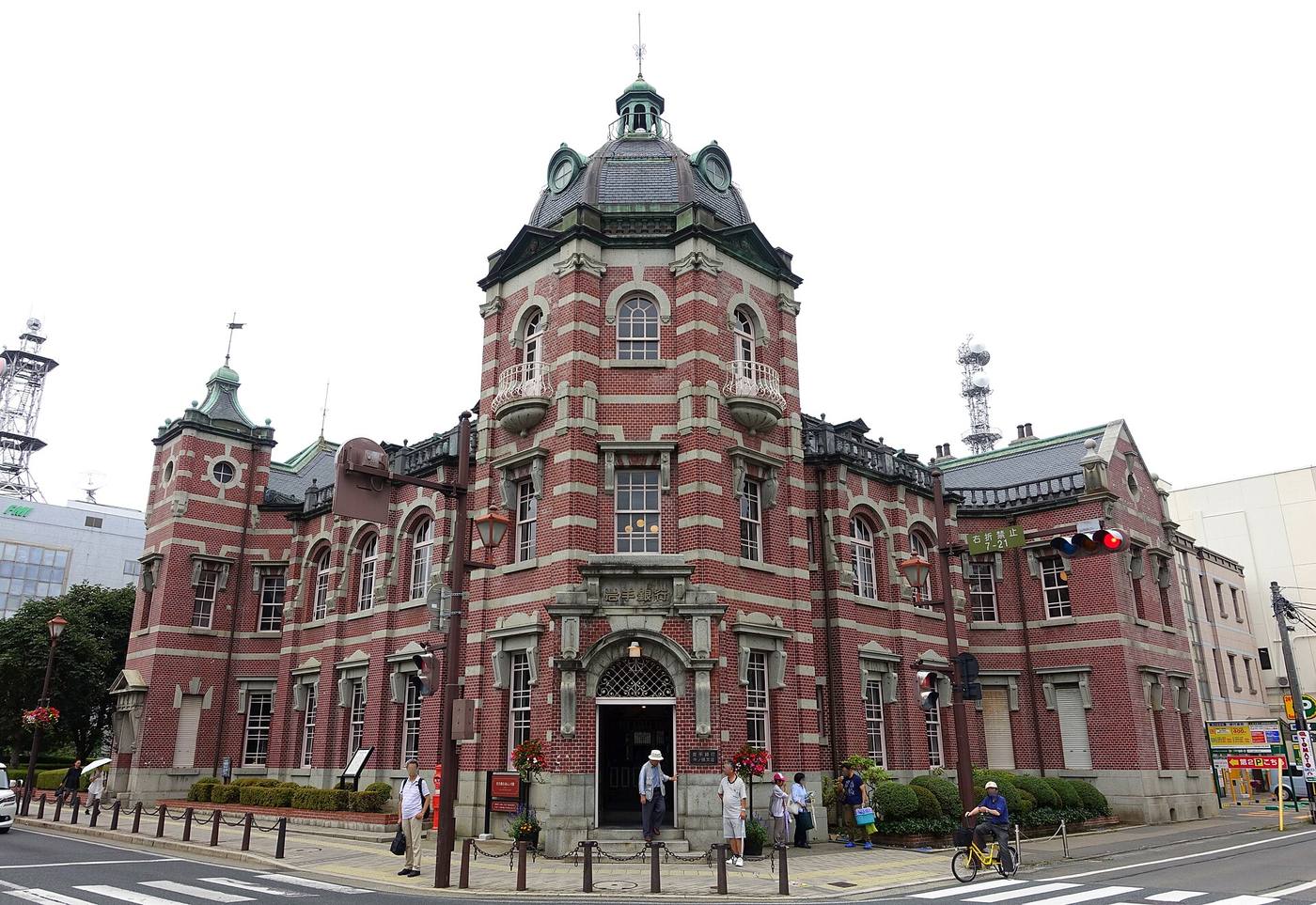
The former Morioka Bank head office was completed in 1911 to a design by the Tatsuno and Kasai office. Red brick and pale granite bands line the facade. Slate covers much of the roof above the two stories, with copper sheeting on some sections.
In the free zone, you can learn about the bank’s place in the region’s economy and culture. In the paid Morioka Bank zone, you can enter the restored reception, executive and meeting rooms. Exhibits include banking documents and materials found when the building was dismantled. You can also watch a historical presentation in the virtual theater.
| Visit details | Admission or hours |
|---|---|
| Ages 16 and over | ¥300 (about US$1.90) |
| Elementary or junior-high pupil | ¥100 (about US$0.60) |
| Hours | 10:00–17:00; last admission 16:30 |
| Closed days | Tuesdays and December 29–January 3 |
Morioka Bus Center is a minute’s walk from the Red Brick Building.
Morioka’s noodle dishes
At a wanko soba meal, the server keeps refilling your bowl with small portions. Put the lid on when you have finished. Reimen is served cold. The translucent noodles are made from wheat flour and starch and have a firm bite. Kimchi is served with the noodles in beef-bone broth, for heat and acidity.
Jajamen is udon topped with fried meat-miso, chopped cucumber and green onion. Season the noodles to taste with garlic, ginger, chili oil and vinegar. After the noodles, you finish with chitantan, a warm soup made from beaten raw egg, noodle cooking water and meat-miso.
Back to the onsen
At Hanamaki Station, leave the railway station for public-bus stop 4. The Hanamaki Onsen Line bus runs to Yumoto.
November 2026, Monday–Friday excluding Japanese public holidays
| Morioka departure | Hanamaki arrival | Wait at Hanamaki | Bus departure, Hanamaki stop 4 | Yumoto arrival |
|---|---|---|---|---|
| 16:59 | 17:38 | 15-minute change | 17:53 | 18:11 |
| 17:35 | 18:11 | 32 minutes | 18:43 | 19:03 |
The waits include leaving Hanamaki Station and walking to the bus stop. Weekend and public-holiday buses follow a different schedule. Reserve the hotel shuttle ahead of travel.
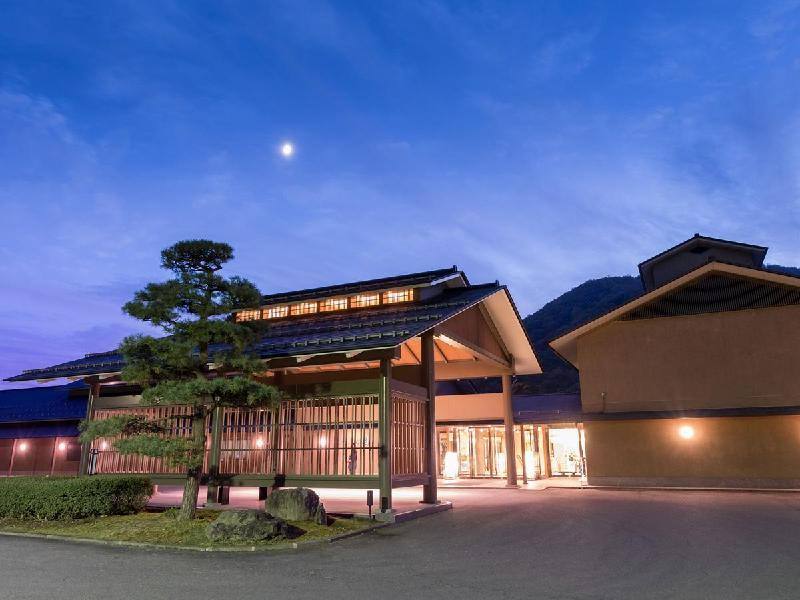
In Yumoto, Kashoen has selected rooms with private hot-spring baths and a free station shuttle for the rail journey to Morioka.
Hanamaki Onsen Kashoen
A hinoki-cypress open-air bath looks onto the Dai River.
9.3 · 173 Agoda reviews
from US$435 per room / night
A private-bath room and kaiseki dinner depend on the selected room and meal plan.
See rooms on AgodaAffiliate link · Agoda
Reviewed: