
Hanamaki Museums and Cultural Sights: Hours & Fees
Takamura Kotaro’s museum and cottage are the first stops for sculpture, writing and the hut where he lived. Hanamaki’s other collections cover modern painting, sake-making and everyday Showa-era objects. Several are reached by road from the stations.
Takamura Kotaro’s museum and cottage
In the museum’s first gallery, Hand and a medium-size study for Statue of Maidens introduce Kotaro’s sculpture. The second gallery displays his calligraphy and handwritten manuscripts with Chieko’s paper pictures and material from his Hanamaki years. On the same grounds, the cottage preserves the hut where the sculptor and poet spent seven and a half years late in life. The 7.5-tsubo hut sits inside an enclosing building. A later steel-frame structure protects that building.
Admission to each building
| Visitor | Ticket for each building |
|---|---|
| Adults | ¥350 (about US$2.20) |
| High-school and college students | ¥250 (about US$1.60) |
| Elementary and junior-high pupils | ¥150 (about US$1) |
Hours and closures
| Building | Hours |
|---|---|
| Museum | 09:00–16:30 |
| Cottage | Usually 09:00–16:30; closes at 16:00 from autumn |
Bad winter weather can also close the cottage. Both buildings close on Mondays, or the following weekday after a holiday. Both close December 28–January 3.
Getting there: The grounds at Ota 3-85-1 are about 20 minutes by car from Hanamaki Station or 30 from Shin-Hanamaki.
Narushima’s Bishamonten
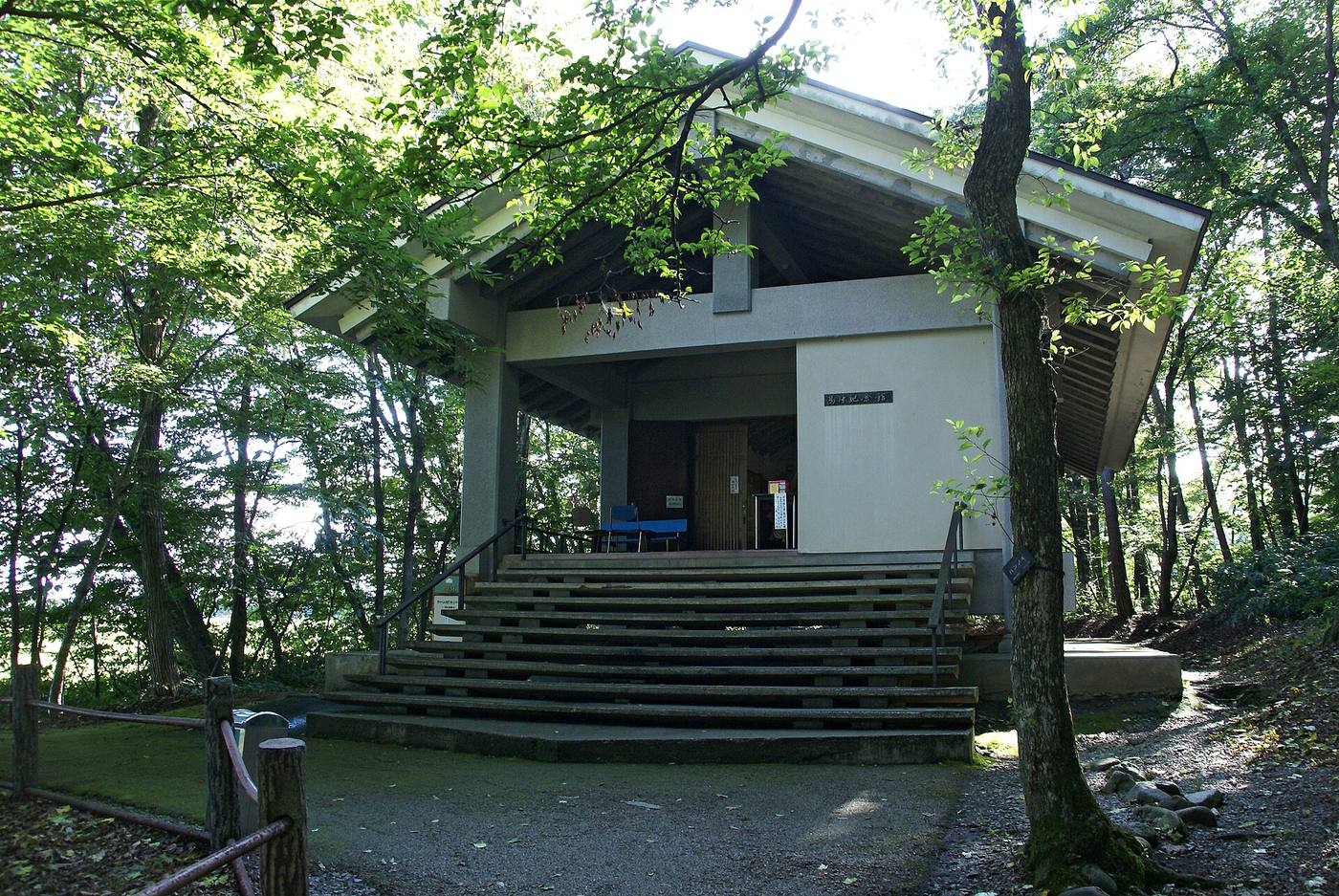
A single zelkova trunk was carved into Narushima’s standing Bishamonten, a guardian figure 4.3 meters tall. Flames decorate the halo behind it. A Buddhist wheel emblem sits in the halo, and the oni Niranba and Biranba stand on either side. The statue and the old Bishamondo hall are Important Cultural Properties in the precinct shared with Mikumano Shrine.
| Season | Viewing hours |
|---|---|
| April–November | 09:00–16:30 |
| December–March | 09:00–16:00 |
The treasure house follows a changed schedule over December 31–January 3.
| Visitor | Admission |
|---|---|
| Adults | ¥500 (about US$3.20) |
| Elementary and junior-high pupils | ¥300 (about US$1.90) |
| Preschoolers | Free |
Driving takes about 22 minutes from Hanamaki Station, 20 from Shin-Hanamaki or ten from Tsuchizawa. The shrine is a short road journey from Yorozu Tetsugoro Memorial Museum.
Showa School
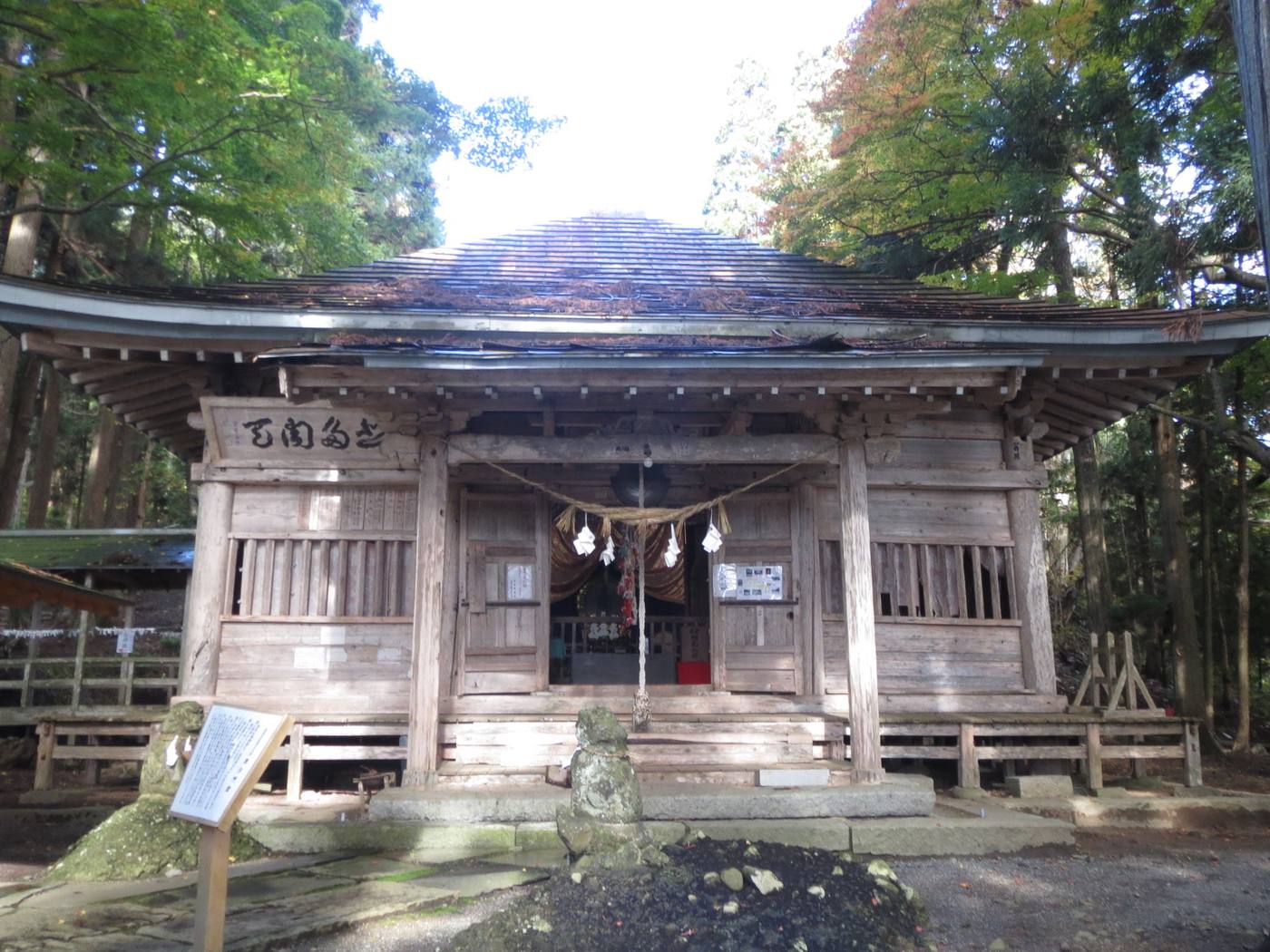
At Yama no Eki Showa School, you see about 200,000 objects from everyday Showa-era Japan. Recreated shops include a sweets shop and a record shop, with objects displayed in familiar settings. The school’s principal assembled the collection over more than twenty years of travel, mainly around Tohoku.
From Hanamaki Station, the bus reaches the Showa School stop in about 27 minutes. The school is one minute from the stop on foot. A Kamaishi Line local connects Shin-Hanamaki to Hanamaki for this bus.
| Season | Hours | Last admission |
|---|---|---|
| April–October | 09:00–16:30 | 16:00 |
| November–March | 10:00–16:00 | 15:30 |
The school closes on Tuesdays, or the next day after a holiday. The school also closes for New Year.
| Visitor | Admission |
|---|---|
| Adults | ¥600 (about US$3.80) |
| Elementary-school children and younger | ¥300 (about US$1.90) |
Nanbu Toji Museum
The Nanbu Toji Museum occupies a reconstructed sake storehouse with earthen walls. You can see brewing equipment, including a fermentation vat about two meters in diameter. Videos show the master brewers’ history and how sake is made. Paid tastings are available. You can buy sake at the neighboring Sakashokan.
Admission: Entry to the museum is free. Pay for tastings in cash.
| Activity | Hours |
|---|---|
| Museum visit | 09:00–16:30 |
| Sake tastings | Finish at 16:00 |
The museum closes December 29–January 1 for New Year.
The museum stands at Ishidoriya Roadside Station, 7-25-1 Ishidoriyacho. The drive takes about 15 minutes from Hanamaki Onsen or 17 from Shin-Hanamaki. The adjacent History and Folklore Museum remains temporarily closed.
Yorozu Tetsugoro Memorial Museum
Yorozu Tetsugoro was born in Tsuchizawa. The museum there displays his oil paintings, ink paintings and drawings. The archive holds notebooks, letters, photographs and personal belongings.
Getting there
JR Kamaishi Line trains connect Tsuchizawa with Hanamaki and Shin-Hanamaki.
| From | Journey |
|---|---|
| Tsuchizawa Station | About eight minutes on foot |
| Shin-Hanamaki by car | About eight minutes |
| Shin-Hanamaki by bus | About ten minutes on the bus, then a four-minute walk |
Hours and closures
The Yorozu Tetsugoro Memorial Museum opens 09:00–16:30. It closes on Mondays. When Monday is a holiday, it closes the next day. The museum also closes December 28–January 3 and during exhibition changes.
Admission
| Visitor | Standard ticket |
|---|---|
| Adults | ¥400 (about US$2.50) |
| High-school and university students | ¥250 (about US$1.60) |
| Elementary and junior-high pupils | ¥150 (about US$1) |
Special exhibitions can change the charge.
Museums from the onsen
From the western onsen valleys, you reach the museums by road or through Hanamaki’s railway stations.
| Sight | Location |
|---|---|
| Takamura’s museum | Ota |
| Yorozu’s museum | Tsuchizawa |
| Brewing museum | Ishidoriya |
| Dowa Mura’s story installations | Near Shin-Hanamaki |
Hotel Shidotaira has a long stream-view bath. Its 12.5-tatami Japanese room sleeps up to six. The six-guest category has its own rate. The buffet includes a children’s corner and baby food.
At the lower-priced Fujisan Ryokan, Namari’s deep standing bath has mixed and women-only periods. Book the hotel shuttle ahead of arrival.
Hotel Shidotaira
A 25-meter bath overlooks the stream at this riverside resort.
8.7 · 271 Agoda reviews
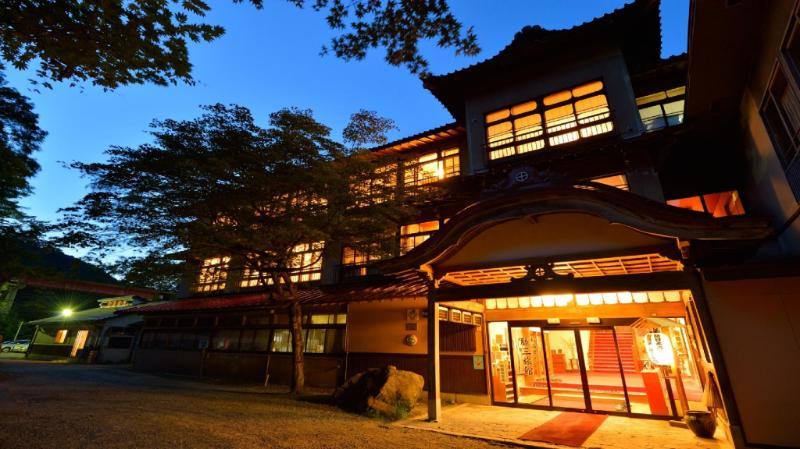
Namari Onsen Fujisan Ryokan
Stand in Namari’s deep bath, carved by hand from natural rock.
7.4 · 157 Agoda reviews
Reviewed: